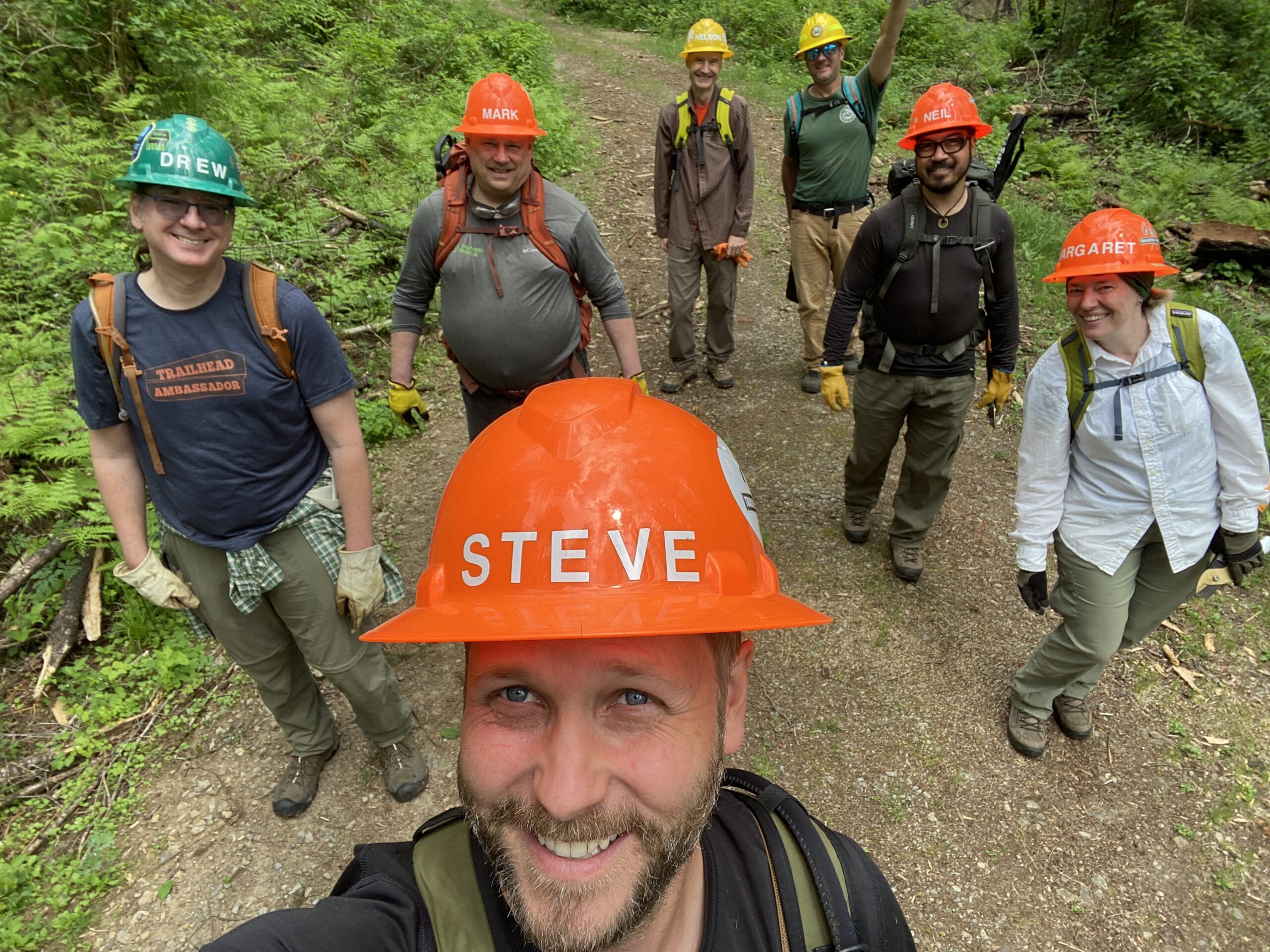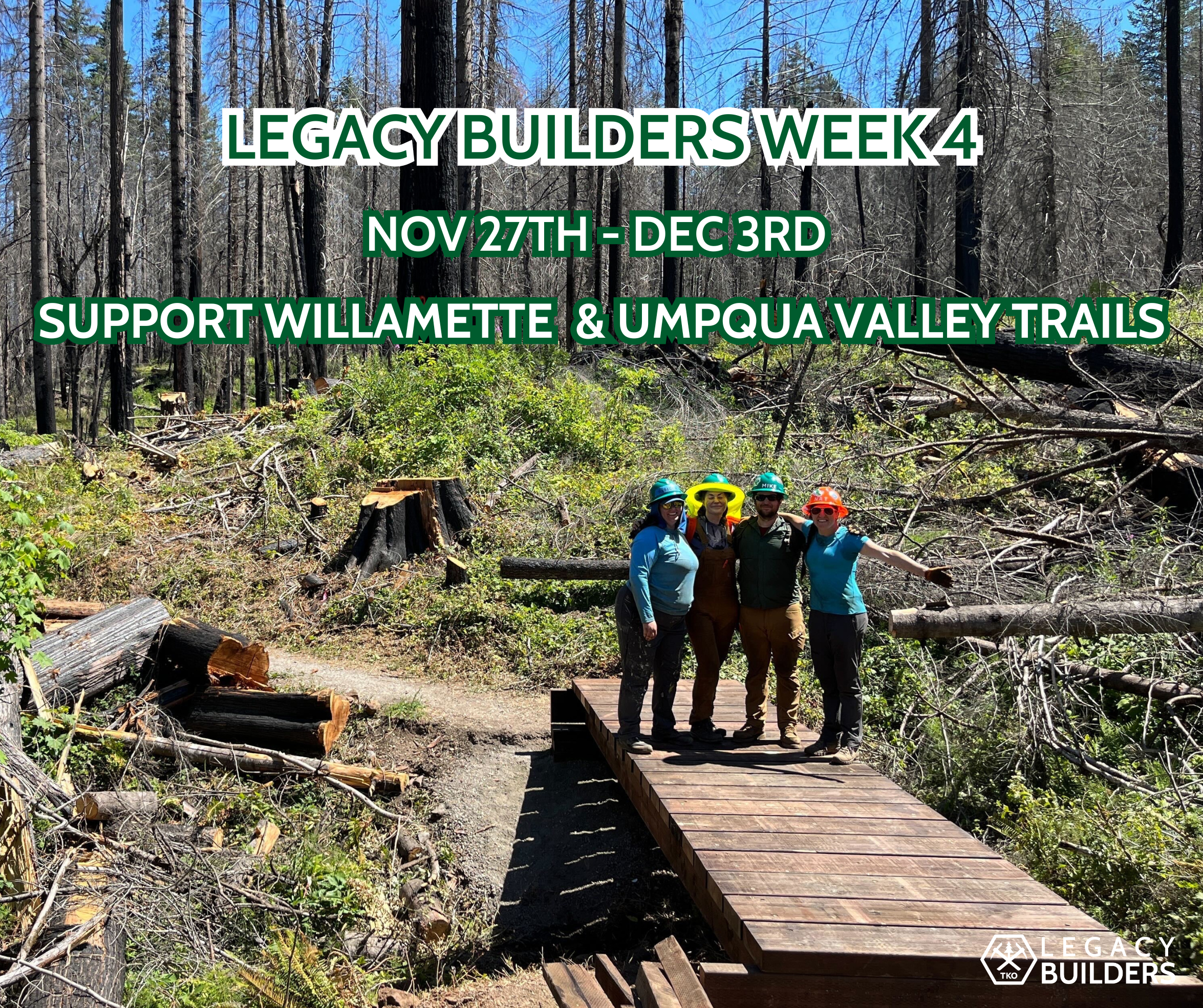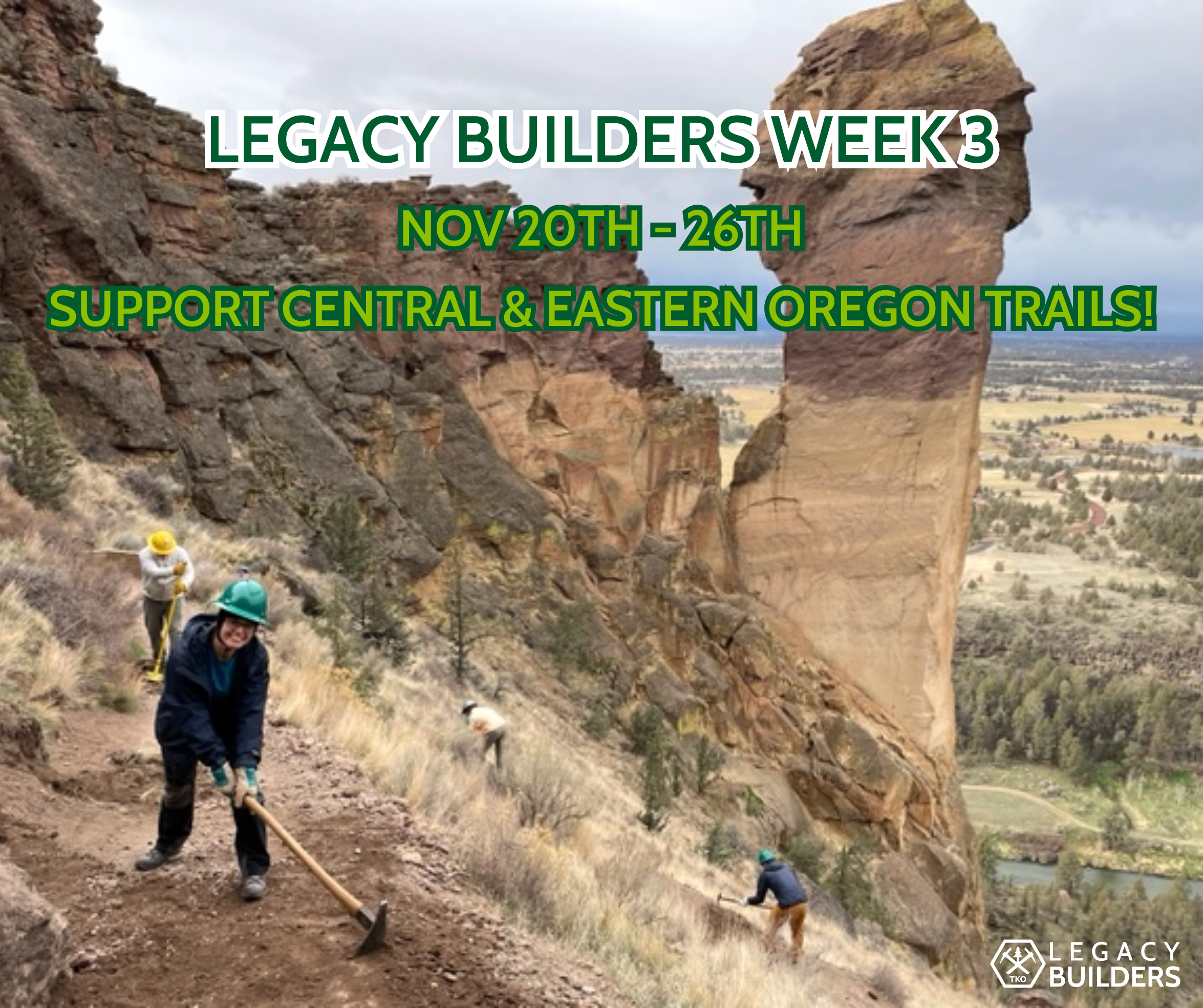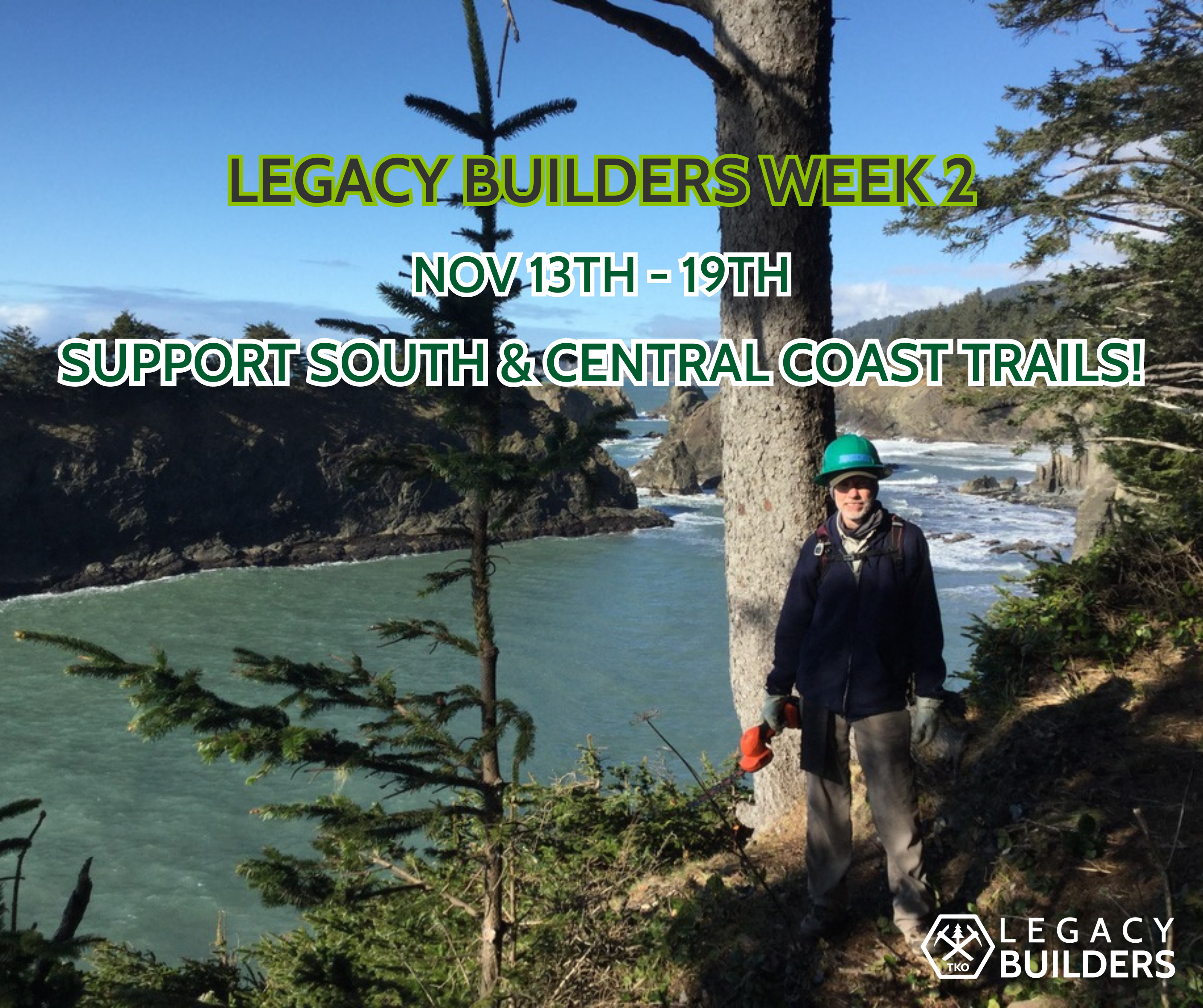
Closing a challenging year, TKO’s Executive Director Steve Kruger shares a critical report from the U.S. Forest Service.
While TKO has seen significant financial support like never before from Oregon’s hikers, we are still shy of meeting our Willamette Week’s Give!Guide goal.
GIVE NOW: TKO seeks to meet the moment in 2026.
The Moment We’re In
Internal reporting from the U.S. Forest Service Trail Program Status Report (Dec. 2025) confirms a reality TKO and our volunteers have been seeing completely changed with decisions by a new administration over the course of this year: trails across the country—and here in Oregon—are deteriorating rapidly due to severe staffing losses, stalled hiring, and compounding deferred maintenance.
Some districts have lost up to 100% of trail staff, trail miles maintained are down 22%, and backcountry routes are being abandoned altogether. Even millions of dollars in federal trail grants have gone unused because agencies lack the staff capacity to administer projects.
The Washington Post summarized the consequences bluntly, warning of “unpassable trails, unsafe bridges, and negative environmental impacts”
as skilled trail workers leave and agencies struggle to keep up.
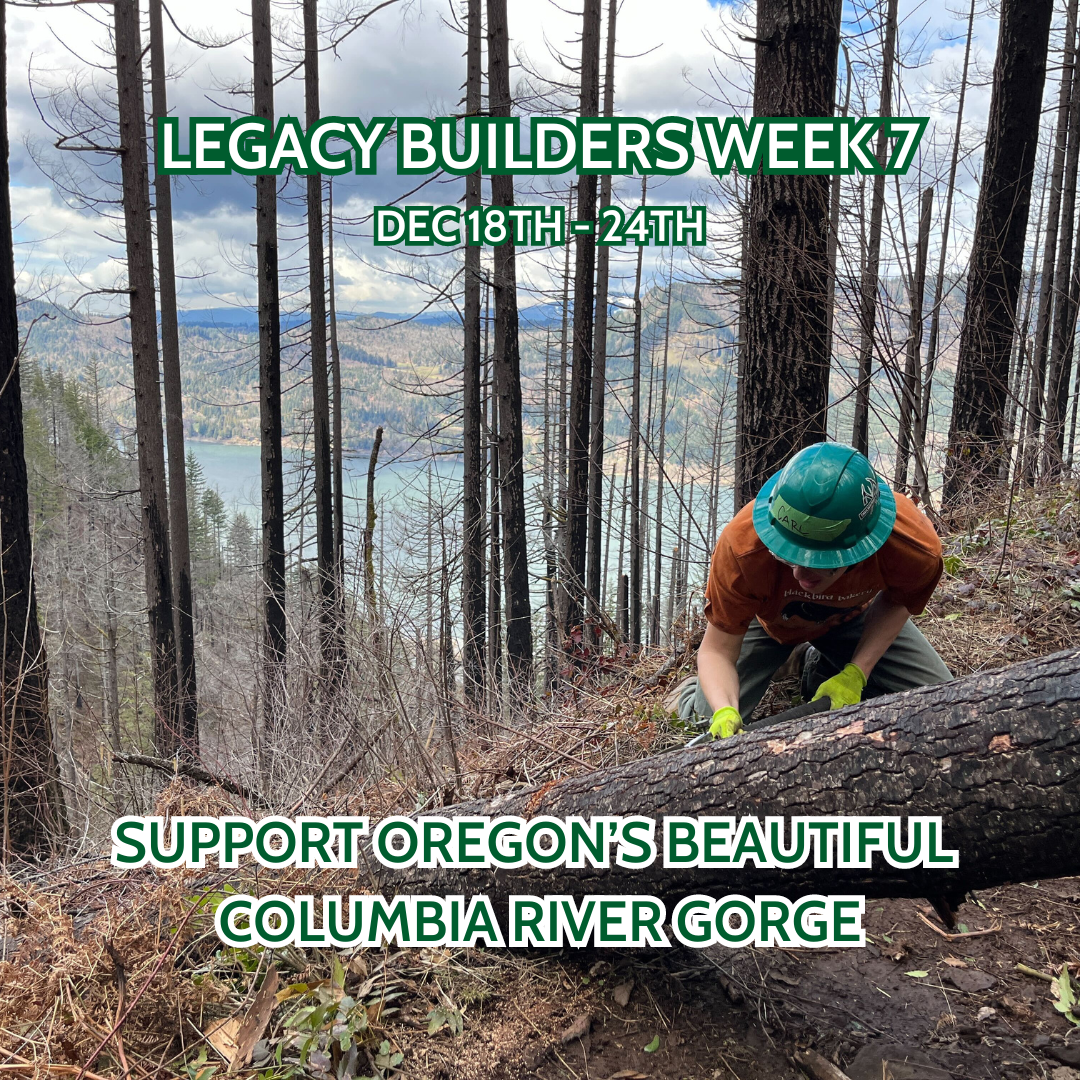
And now with recent winter storms, Oregon’s trails and access to them are revealing a significant amount of damage due to flooding, surges of rain and water, rock/mud slides, and windblown, downed trees across local, state, and federal lands. The demand for help is high.
What This Means for TKO: The Challenge
- Rising demand, shrinking agency capacity: Land managers increasingly rely on TKO and volunteers to keep trails open, safe, and accessible—but without agency staff and coordination, approvals become harder.
- Higher expectations for nonprofits: Communities expect trails to remain open even as federal capacity declines, placing more responsibility on organizations like TKO.
- Risk of burnout—across systems: Just as agency staff face burnout, volunteers and nonprofit partners can be stretched thin without sustainable funding and support.
What This Means for TKO: The Opportunity
Even the Forest Service report makes one thing clear: partnerships matter more than ever—and TKO is well positioned to lead.
TKO responds through community-powered stewardship:
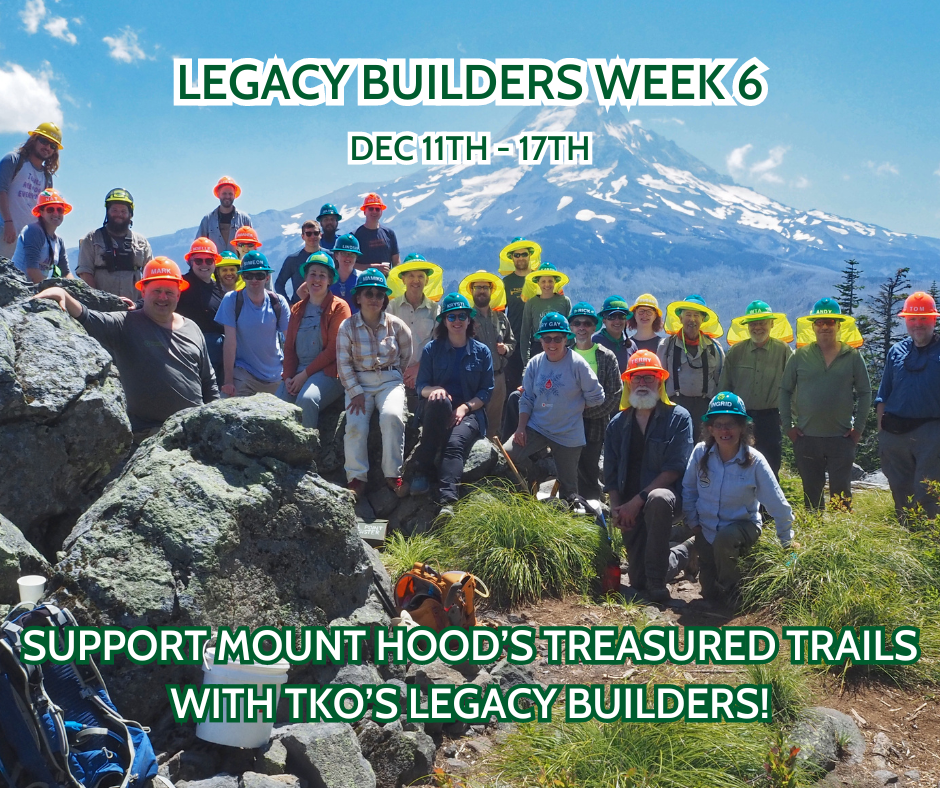
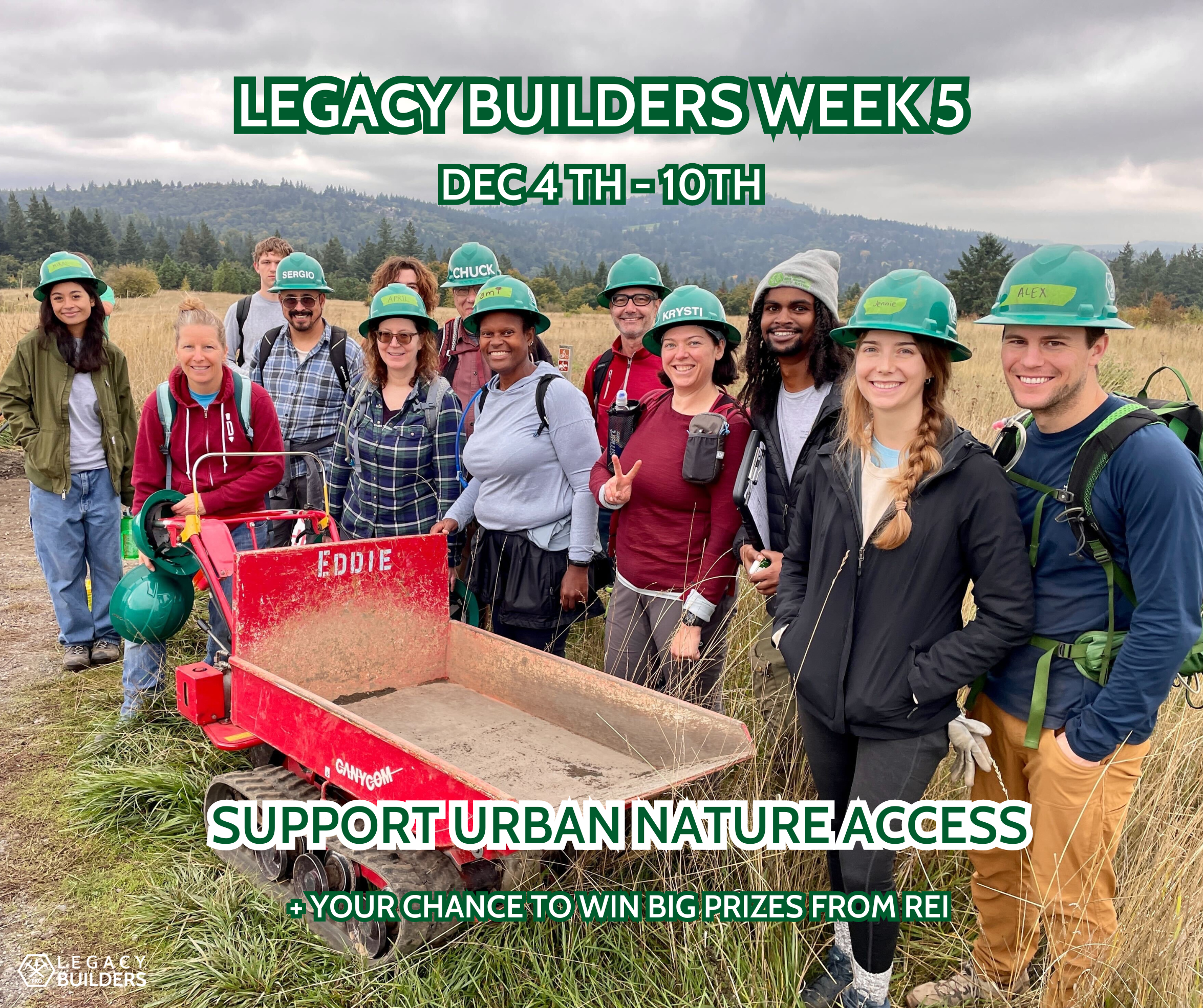
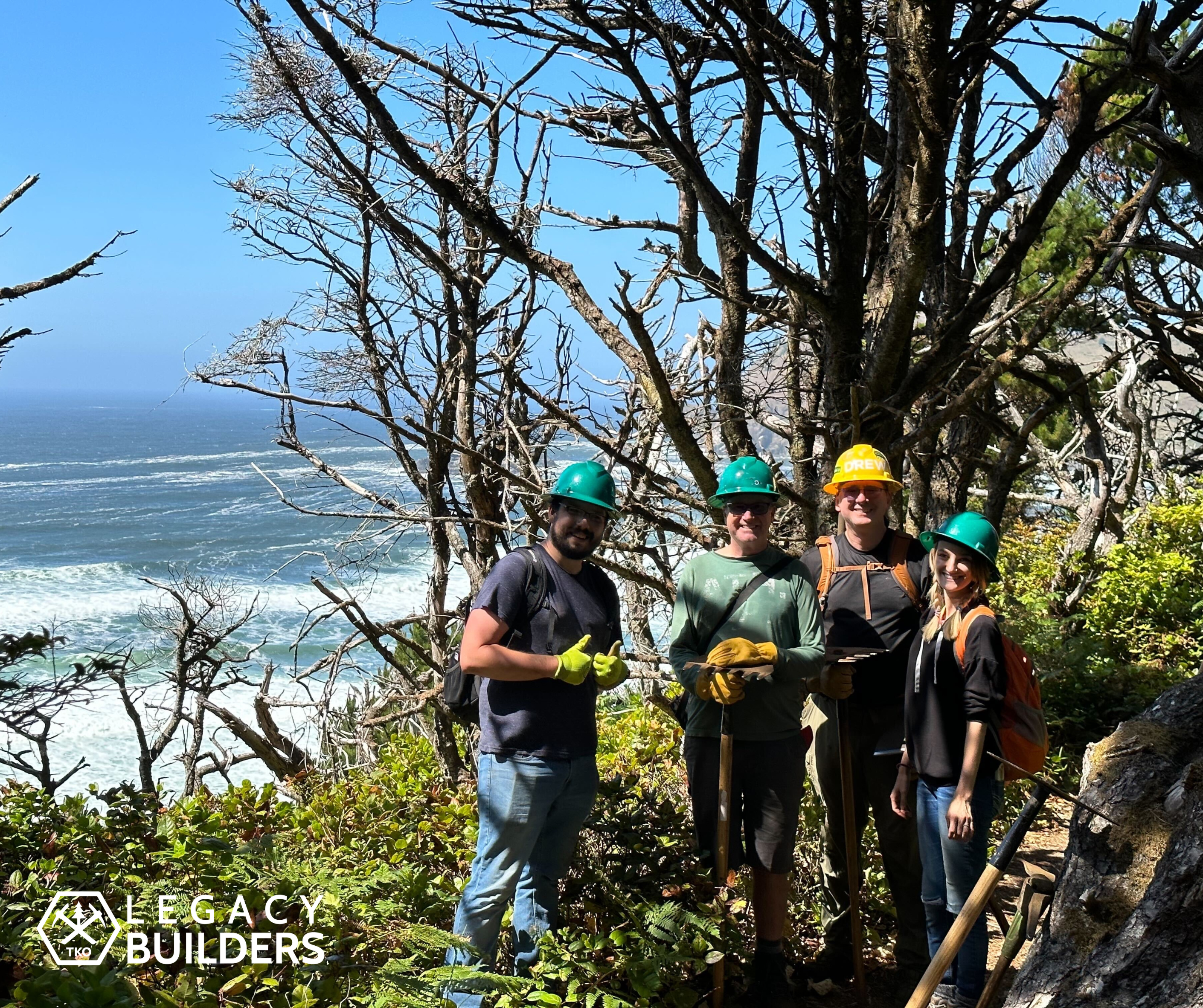
- Mobilizing trained volunteers: Thousands of volunteer hours annually help clear trails, repair tread, address drainage, and maintain access across Oregon’s national forests and public lands.
- Providing technical trail expertise: As agencies lose skilled staff, TKO helps retain and grow technical trail skills—bridges, rock work, saw, and backcountry maintenance—within the nonprofit and volunteer sector.
- Serving as a trusted partner: TKO helps land managers stretch limited capacity by coordinating crews, managing agreements, and delivering high-quality, on-the-ground results.
- Building long-term resilience: By investing in volunteer leadership, training, and community ownership, TKO helps ensure trails remain cared for even in uncertain funding climates.
Bottom Line
This moment serves as a warning—and a call.
It also confirms with a striking amount of heart, Federal agencies cannot do this work alone. Volunteers cannot replace staff. But together, with the right support, partnerships can stabilize trail systems and protect public access.
For TKO, this is both a challenge and a responsibility—and an opportunity to deepen our role as a steward, connector, and leader for Oregon’s trails.
The need is growing, GIVE NOW! TKO’s service to Oregon’s hiking community is urgent. And the path forward depends on sustained community investment.

Steve Kruger
Executive Director | Trailkeepers of Oregon